

Beta glucan skincare is getting attention for its promise of deep hydration and calming benefits—but what does the science say, and how does it really measure up to classics like hyaluronic acid or niacinamide? Below, you’ll find a no-hype, step-by-step guide on beta glucan in your skincare routine, clear comparisons, and what dermatologists and real-world reviews reveal (and don’t reveal) about its safety, performance, and value in 2024.
Key Takeaways
- Clinical studies indicate beta glucan is highly effective at improving skin hydration, supporting barrier repair, and calming inflammation—often with no reported irritation, even in sensitive skin.
- Direct real-world user complaints, average prices, and product concentrations for beta glucan moisturizers are largely missing from public databases and reviews.
- No evidence suggests major safety concerns, allergic reactions, or differences based on whether beta glucan is sourced from oats, yeast, or mushrooms.
- What Is Beta Glucan in Skincare and Why Do People Use It?
- A Step-by-Step Guide to Using Beta Glucan Skincare for Maximum Results
- Advanced Analysis: Efficacy, Comparison, and Pitfalls
- Conclusion
- Frequently Asked Questions
What Is Beta Glucan in Skincare and Why Do People Use It?
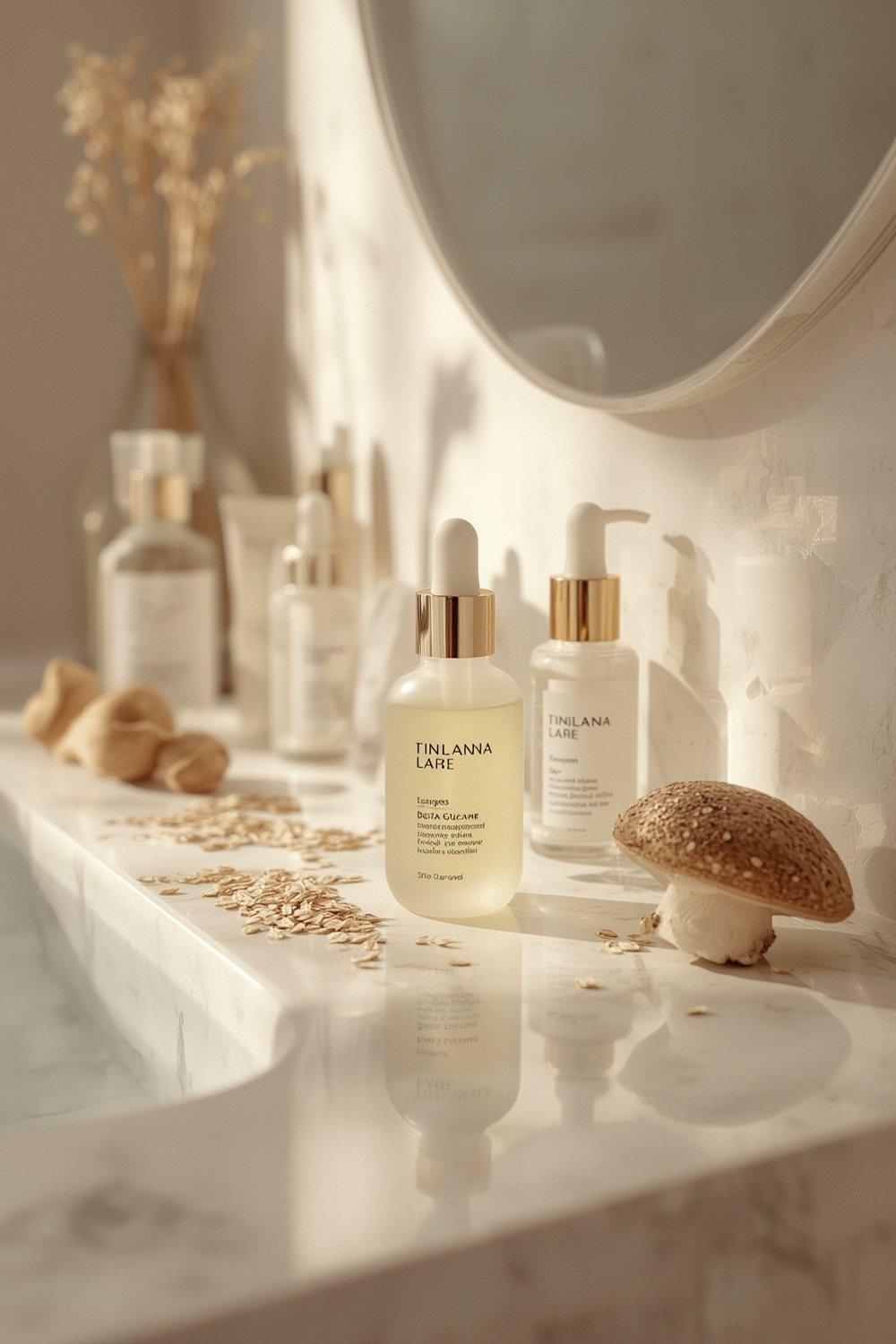
Beta glucan is a naturally occurring polysaccharide derived from oats, yeast, or mushrooms. In skincare, it is prized for its proven abilities to deeply hydrate the skin, dramatically reduce water loss, and calm irritated or inflamed skin. Multiple clinical trials show that it works by attracting moisture, enhancing the skin barrier, soothing sensitivity, and helping the skin to repair itself faster after stress or procedures. These combined benefits make beta glucan a top choice for those struggling with dry, sensitive, or aging skin as well as those who want to maximize their moisture barrier health.
Clinical evidence suggests that beta glucan goes beyond “just” hydration. In one randomized controlled study, post-laser patients using a beta glucan moisturizer had higher skin hydration and significantly less transepidermal water loss after only 7 days compared to those given a standard moisturizer. (see source) Other research reports rapid improvements in itchiness, redness, and eczema severity in atopic dermatitis patients using beta glucan creams, often without side effects—even with prolonged use. (see clinical data)
As a molecule, beta glucan is slightly larger than hyaluronic acid, but it offers equal—if not superior—water-binding and anti-inflammatory benefits. Aside from immediate hydration, studies hint at long-term results: oat-based beta glucan has been shown to visibly reduce wrinkles and rough texture over an 8-week treatment window.
It is non-irritating, safe for even sensitive or barrier-compromised skin, and doesn’t lead to dependency or rebound dryness. That’s why beta glucan is increasingly used in barrier-repair and recovery-focused routines—check out our proven guide on skin barrier repair for more details and compatible actives.
A Step-by-Step Guide to Using Beta Glucan Skincare for Maximum Results
Getting the most from beta glucan is less about “using more” and more about how you layer, combine, and choose supporting products. Here’s how to build an effective routine with beta glucan that maximizes hydration and minimizes irritation:
- Cleanse gently. Use a mild, barrier-friendly cleanser—avoid harsh surfactants or scrubs that may strip your skin barrier.
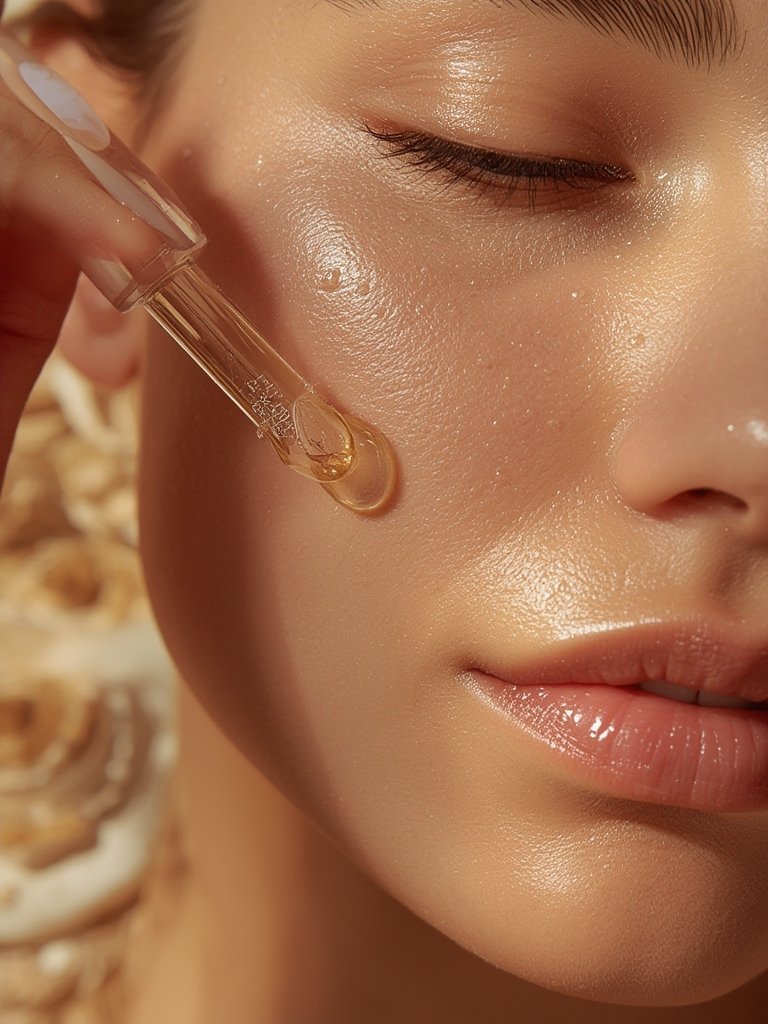
- Apply beta glucan serum or cream. Pat gently onto still-damp skin after cleansing. Start with low concentrations (0.5–2%) and increase as needed for your tolerance and dryness level. Seek clear labeling—many products don’t list concentrations transparently.
- Layer compatible actives as needed. Beta glucan is safe to pair with most actives, including peptides, niacinamide, and hyaluronic acid. For maximum anti-inflammation, use after an exfoliant or hypochlorous acid spray but before heavy creams.
- Seal in moisture with an occlusive moisturizer. For very dry or post-procedure skin, finish with a richer barrier cream or try a more natural occlusive like beef tallow for skin—it’s surprisingly effective for locking in moisture and boosting overnight repair.
- Frequency: Use daily (AM/PM), or after sun or procedure exposure as a calming recovery step.
- Who should avoid: Current research shows beta glucan’s tolerance is excellent, even in eczema and sensitive skin. There’s no evidence of major allergies or contraindications. (source)
- Combo routines: Layer beta glucan with other calming actives and in K-beauty barrier-repair routines. For advanced hydrating and anti-aging routines, pair with red light therapy or spicule skincare for even stronger skin regeneration.
Advanced Analysis: Efficacy, Comparison, and Pitfalls
Science supports beta glucan’s effectiveness, but several real-world issues can trip users up:
- Lack of standardization: Most products do not disclose the precise type or concentration of beta glucan (e.g., 0.5% versus 2%)—making it hard for users to compare options or match study protocols.
- No direct user complaint data: As of 2024, independent reviews from Amazon or Sephora customers are limited, so negative experiences (irritation, breakouts, cost issues) are not well-documented.
- No meta-analyses yet: Evidence for effectiveness and safety is strong, but based almost entirely on isolated clinical trials with small sample sizes. No large-scale, long-term data yet.
- Price and sourcing opacity: Few companies share what percent beta glucan their formula contains, or its origin (oat, yeast, mushroom). Current science shows all three perform well, but quality may still vary by extraction and formulation method.
| Ingredient | Primary Benefits | Skin Absorption | Documented Side Effects |
|---|---|---|---|
| Beta Glucan | Hydration, barrier repair, anti-inflammatory, post-procedure recovery | Penetrates upper layers; works well even in damaged skin. Larger than HA but still effective. | Rarely reported (good for sensitive, eczema-prone skin) |
| Hyaluronic Acid | Hydration, plumping effect, short-term smoothing | Smaller molecules go deeper; effects may be temporary | Rare (sometimes can pill, less suitable for extremely damaged skin) |
| Niacinamide | Brightening, anti-inflammatory, barrier support | Readily absorbed | Can cause flushing in higher concentrations (5%+) |
Summary of common pitfalls:
- Assuming all beta glucan products are the same—check for concentration and type if possible.
- Overpaying for products with little actual beta glucan (lack of transparency).
- Expecting instant anti-aging or dramatic results after one use—studies show measurable results, but usually after several weeks of consistent use (study here).
- Assuming beta glucan can replace all barrier-repair strategies. For persistent barrier damage, also consider ceramides and simplified regimens recommended in our skin barrier routine guide.
Conclusion
Beta glucan skincare, backed by clinical research, is a powerful tool for dry, sensitive, or inflamed skin, offering rapid hydration, stronger barrier repair, and very little risk of irritation. While there are few documented downsides, gaps in ingredient disclosure, real-world reviews, and price transparency make choosing the right product less straightforward than it should be. For most users, integrating a genuine beta glucan product into your routine is both safe and highly effective—and worth considering if you want lasting hydration, especially for sensitive or stressed skin. Ready to try beta glucan skincare? Start with a trial in your evening routine and track your skin’s hydration and calmness over a month.
Frequently Asked Questions
Is beta glucan safe for daily use on sensitive skin?
Yes, current studies show that beta glucan is well tolerated even on sensitive, eczema-prone, or damaged skin. No major side effects, allergic reactions, or irritation have been reported in clinical trials (view data).
Can beta glucan be combined with other popular skincare ingredients like retinol or acids?
Absolutely—beta glucan pairs safely with most actives, including retinoids, acids, niacinamide, and vitamin C. It can help reduce irritation or dryness caused by other actives, improving skin comfort and recovery.
Does it matter if beta glucan comes from oats, yeast, or mushrooms?
No strong evidence shows significant differences in effectiveness or safety based on source. Clinical studies have used oat and yeast-derived beta glucan with comparable results for hydration and inflammation.
Why don’t most beta glucan products list their concentration or source?
Because there is no industry-wide standard for labeling concentrations, most brands do not disclose this information. Look for transparent brands or reach out to manufacturers if in doubt.
Is beta glucan better than hyaluronic acid?
Beta glucan and hyaluronic acid are both outstanding hydrators, but studies in post-laser and sensitive skin suggest beta glucan may perform better for long-term barrier repair and calming inflammation, while hyaluronic acid offers more immediate but temporary plumping effects.