

azelaic acid serum is at the forefront of skincare in 2024 for treating acne, rosacea, and hyperpigmentation, but many users are unsure about the latest research, side effects, and how it really compares to other trending ingredients. Here’s the updated, reality-checked guide you need.
Key Takeaways
- Azelaic acid’s proven benefits are mostly shown in creams, gels, and foams—evidence on serum formulations is minimal as of 2024.
- Tolerability is generally good, but mild stinging, dryness, and itching are not uncommon, especially for sensitive skin.
- Azelaic acid competes well with antibiotics and metronidazole for inflammatory skin concerns, but results for pigment are similar to hydroquinone.
- What Is Azelaic Acid Serum and Why Is It Used?
- How to Use Azelaic Acid Serum Correctly
- Advanced Insights, Comparisons & Common Pitfalls
- Conclusion
- Frequently Asked Questions
What Is Azelaic Acid Serum and Why Is It Used?
Azelaic acid serum is a topical formulation designed to deliver azelaic acid—naturally found in grains—directly to the skin in its most lightweight format. Dermatologists recommend azelaic acid for treating acne, reducing moderate rosacea symptoms, and fading certain types of hyperpigmentation. It works by reducing inflammation, calming redness, and gently exfoliating the upper skin layers.
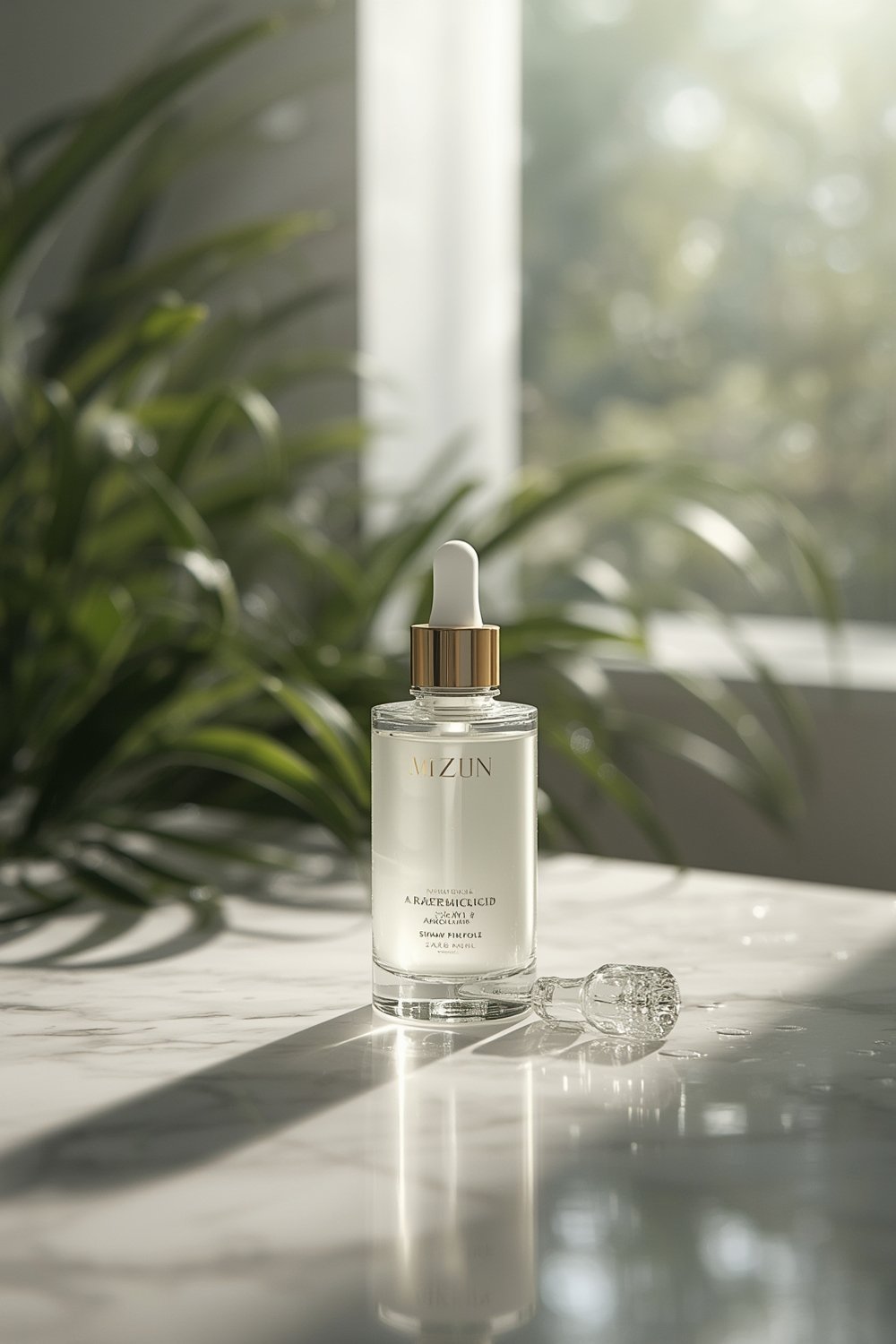
The popularity of azelaic acid skincare has skyrocketed due to its multi-functional properties, minimal systemic absorption, and relatively favorable side effect profile when compared to harsher actives like retinoids or hydroquinone. This makes it suitable for sensitive, acne-prone, or melasma-prone skin, and even in pregnancy in certain cases.
Practical research, such as recent studies highlighted in PubMed 2023 pilot, confirms the ingredient’s ability to reduce acne lesion counts by ~66% and improve overall skin quality. For rosacea, 15% azelaic acid foams or gels have consistently outperformed common alternatives, according to 2024 systematic reviews.
To learn more about how azelaic acid compares with other actives, see our guide Azelaic Acid vs Niacinamide.
How to Use Azelaic Acid Serum Correctly
Using azelaic acid serum can deliver real improvements, but only if applied the right way and with patience. Here’s how to get the best results—whether you’re targeting acne, rosacea, or stubborn pigment patches.
- Start with clean, dry skin. Wash with a mild, fragrance-free cleanser and pat dry. Avoid scrubs and exfoliants before use.
- Apply a pea-sized amount of serum. Spread evenly over affected areas, focusing on spots, redness, or patches.
- For rosacea: Apply to entire affected face zones, not just pimples.
- For hyperpigmentation: Dot gently onto pigment patches, then spread.
- Let it absorb fully. Wait 1-2 minutes before following with moisturizer or other actives (like vitamin C serum or niacinamide—but not both at once if new to actives).
- SPF is non-negotiable. Use a broad-spectrum sunscreen every morning—azelaic acid can increase sensitivity to sun.
- Frequency matters. Start every other night, then progress to daily use as tolerated. For more help, see our detailed routine in Best Azelaic Acid Routine for Sensitive Skin.
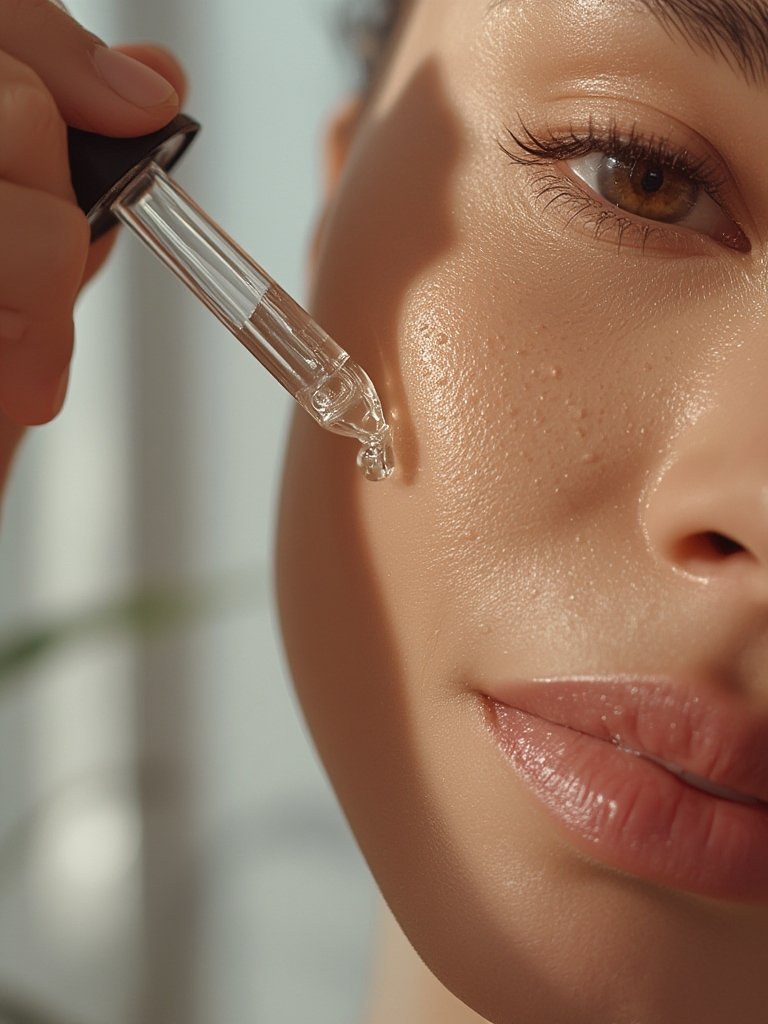
- Do not combine with strong exfoliating acids (AHA, BHA) or retinoids until your skin is fully adjusted.
- If irritation, burning, or peeling occurs, pause use for 2-3 days and restart more slowly.
- Give results time: Noticeable improvements can take 6–12 weeks, with pigmentation sometimes taking longer.
For cases of pregnancy or known antibiotic intolerance, current guidance points to azelaic acid as a realistic, evidence-backed choice — read more about this in Azelaic Acid Pregnancy Safety and Use.
Advanced Insights, Comparisons & Common Pitfalls
While azelaic acid is often described as gentle, real-world use reveals several pitfalls and important comparative nuances:
Common Pitfalls When Using Azelaic Acid Serum
- Expecting fast pigment change: Clinical studies show slow, modest lightening for hyperpigmentation. Do not expect overnight results—melasma may require 2-3 months before significant improvement appears.
See published details at 2024 PubMed Review. - Stopping too soon: Quality of Life improvements, such as reported CADI and DLQI scores, take several weeks to fully manifest (see PubMed 2023 pilot).
- Overusing or mixing too many actives: Layering azelaic acid with harsh exfoliators (like AHAs, BHAs, retinoids) can increase redness and flaking—introduce slowly and maintain a gentle routine.
- Confusing all forms: Most clinical data supports 15%–20% concentrations—but these are nearly all creams, gels, or foams. Over-the-counter serums are often just 10%, and efficacy is not always directly comparable.
- Underestimating irritation potential: About 3–7% of users report burning, stinging, or dryness at the application site. While usually mild, for some sensitive users, especially with active rosacea, this can cause drop-off. See detailed tolerability data in Practical Dermatology 2024.
Comparison Table: Azelaic Acid Cream/Gel vs Alternatives
| Ingredient | Efficacy for Rosacea | Efficacy for Pigment | Main Side Effects | Best Use Case |
|---|---|---|---|---|
| Azelaic Acid 15–20% | High (especially inflamed rosacea) | Moderate (equal to HQ for melasma/light PIH) | Mild burning, dryness, itching (rarely severe) | Sensitive skin, pregnancy, anti-inflammatory |
| Niacinamide 5–10% | Moderate (less direct evidence) | Mild-moderate (best for post-acne marks) | Rare irritation, flushing possible | Barrier repair, pigmentation, general brightening |
| Retinoids (tretinoin, adapalene) | Moderate (irritating for rosacea) | High (slow pigment fade, but more irritation) | Peeling, redness, sun sensitivity | Non-sensitive skin, severe acne, aging |
| Hydroquinone 2–4% | Not recommended (can irritate rosacea) | High (strong pigment-reducing effect) | Contact dermatitis, rebound hyperpigmentation risk | Short-term use for persistent melasma |
Additional Real-World Considerations
- Product cost can vary, with clinical trial formulas at 15–20% not always matched by over-the-counter serums. Check for concentration accuracy—see more in our Best Azelaic Acid Serums Ranked roundup.
- Long-term maintenance: Extending use beyond 12 weeks is supported for ongoing improvement but may be needed to prevent relapse in rosacea and acne, as found in maintenance therapy studies (2024 PubMed Review).
- Special populations: Azelaic acid is a realistic alternative to antibiotics and is pregnancy-safe, but always confirm with your dermatologist.

Conclusion
Azelaic acid serum remains a science-backed, gentle first choice for many managing acne, rosacea, or pigmentation, though most published proof is still based on higher-strength creams, foams, or gels. Results take time, and irritation can occur. For long-term users, maintenance pays off, and the overall safety profile makes it a standout in sensitive and pregnancy-friendly routines. To get the best from your azelaic acid serum, use it consistently, be patient, and consider realistic expectations compared to stronger actives. Ready to upgrade your skincare? Check out our expert-curated list in Best Azelaic Acid Serums Ranked and share your results in the comments below!
Frequently Asked Questions
Does azelaic acid serum really work for acne and rosacea?
Yes, but most clinical data comes from 15%–20% creams, foams, or gels, not true serums. Even so, azelaic acid reduces acne lesions and inflammatory rosacea if used consistently—expect at least 6–12 weeks for visible results.
What side effects should I watch for with azelaic acid serum?
Mild stinging, dryness, or itching are most common, especially the first weeks. Serious reactions are rare. Reducing frequency helps most users adapt.
Can I use azelaic acid with other actives like vitamin C or retinol?
It’s possible, but introduce each active separately. Don’t combine on the same night if new to actives. Azelaic acid pairs best with gentle moisturizers for sensitive skin.
Is azelaic acid serum safe during pregnancy?
Topical azelaic acid is often recommended during pregnancy, especially over antibiotics or retinoids. Still, check with your healthcare provider before use.
How long does it take to see results with azelaic acid serum?
Improvements in acne and rosacea appear after 4–12 weeks; pigment fading often takes a bit longer. Patience and consistency are key.