

Beef tallow for skin is gaining popularity in natural beauty circles, but scientific research on its effectiveness and safety is limited. If you are curious whether beef tallow can really nurture your skin or if it is just another trend with more hype than substance, this guide breaks down what is real, what is not, and how to use it wisely.
Key Takeaways
- Beef tallow hydrates by forming an occlusive barrier but lacks robust scientific evidence compared to plant-based moisturizers.
- Risks include pore clogging, irritation, and contamination, especially with small-batch or homemade products.
- Grass-fed tallow contains beneficial fatty acids and vitamins but is niche, often more expensive, and not well-studied in humans.
- What Is Beef Tallow for Skin and Why Do People Use It?
- How to Use Beef Tallow for Skin: Step-by-Step Guide
- Advanced Analysis & Common Pitfalls
- Conclusion
- FAQ
What Is Beef Tallow for Skin and Why Do People Use It?
Beef tallow is rendered animal fat, typically sourced from grass-fed cattle, and used as a rich, occlusive moisturizer. Many users claim it mimics human sebum and contains biologically active fatty acids like stearic, palmitic, and oleic acids. This composition is believed to help seal in hydration and create a protective skin barrier. Fans of beef tallow moisturizers argue that nutrient-rich, grass-fed versions offer added vitamins such as A, D, E, and K.
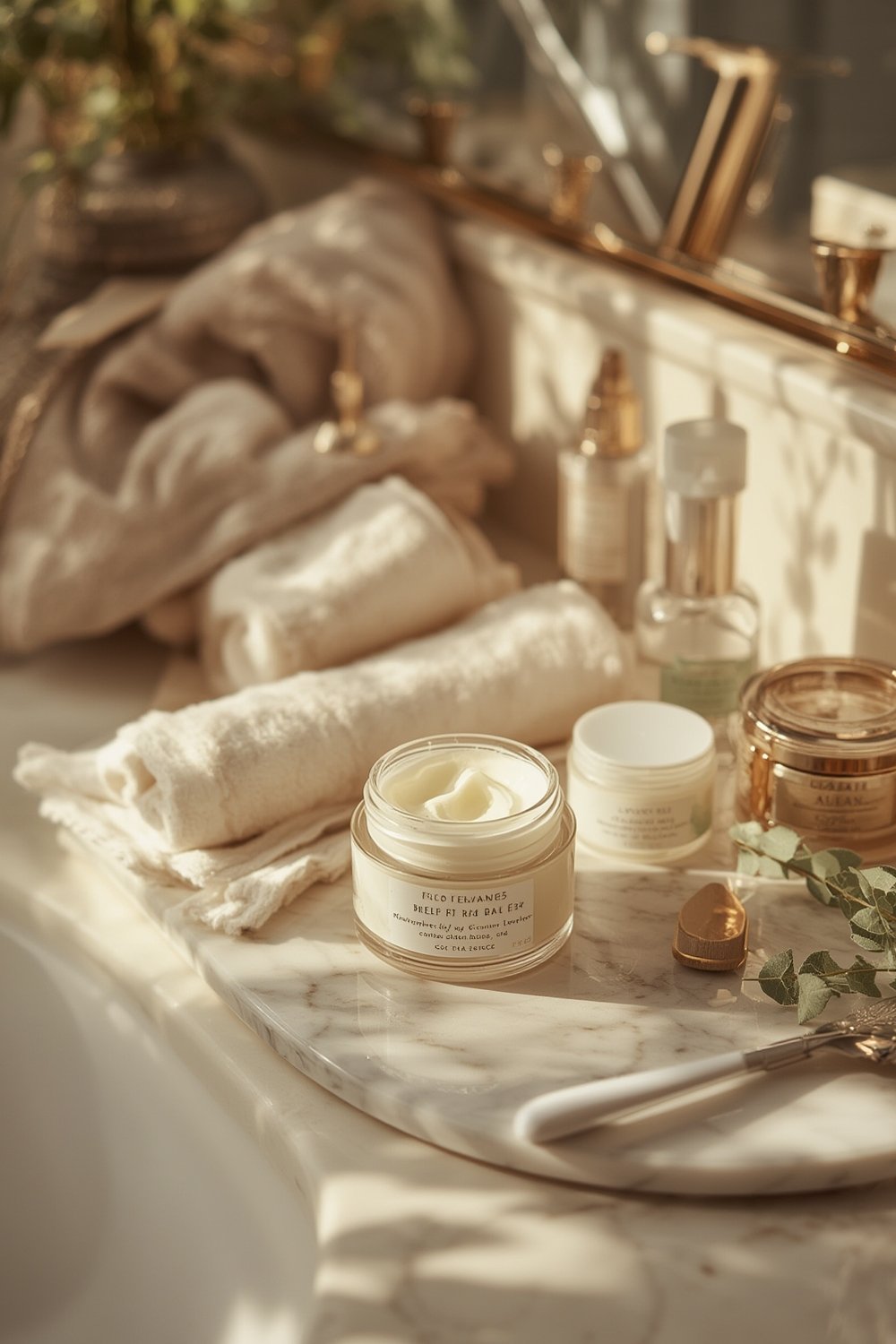
Despite its resurgence in “ancestral” and clean beauty circles, peer-reviewed evidence for its skin benefits is sparse. Most of the available research is based on in vitro or animal studies, which demonstrate moderate increases in hydration and mild anti-inflammatory effects. Unlike mainstream natural moisturizers such as shea butter or coconut oil, there are no human clinical trials validating beef tallow’s efficacy for issues like eczema, acne, or wound healing (source).
Compared to popular plant-based skincare ingredients, beef tallow is less accessible and sometimes pricier, with most products made in small batches or homemade. For many seeking alternatives to conventional creams—or interested in a product sourced more directly from animals—it presents an intriguing but imperfect option. If you are concerned about vegan or ethical standards, know that beef tallow is not vegan and is unlikely to be certified cruelty-free.
How to Use Beef Tallow for Skin: Step-by-Step Guide
- Choose a high-quality tallow: Prioritize pasture-raised, grass-fed, or organic sources. Carefully check for third-party purity review or batch data if available.
- Patch test first: Before applying on your face or body, rub a pea-sized amount onto your wrist or inner elbow. Check for any irritation over 24 hours.
- Cleanse your skin: Always start with clean, damp skin for optimal absorption.
- Warm and apply sparingly: Scoop a small amount and warm it between your hands until it becomes softer. Pat or massage gently onto target areas.
- Layer appropriately: Use tallow as a final step to seal in moisture after lighter serums or hydrators. Avoid combining with occlusive-heavy products unless skin is very dry.
- Observe reactions and adjust: Monitor for clogged pores, redness, or breakouts—especially if you have oily or sensitive skin. Discontinue if irritation appears.
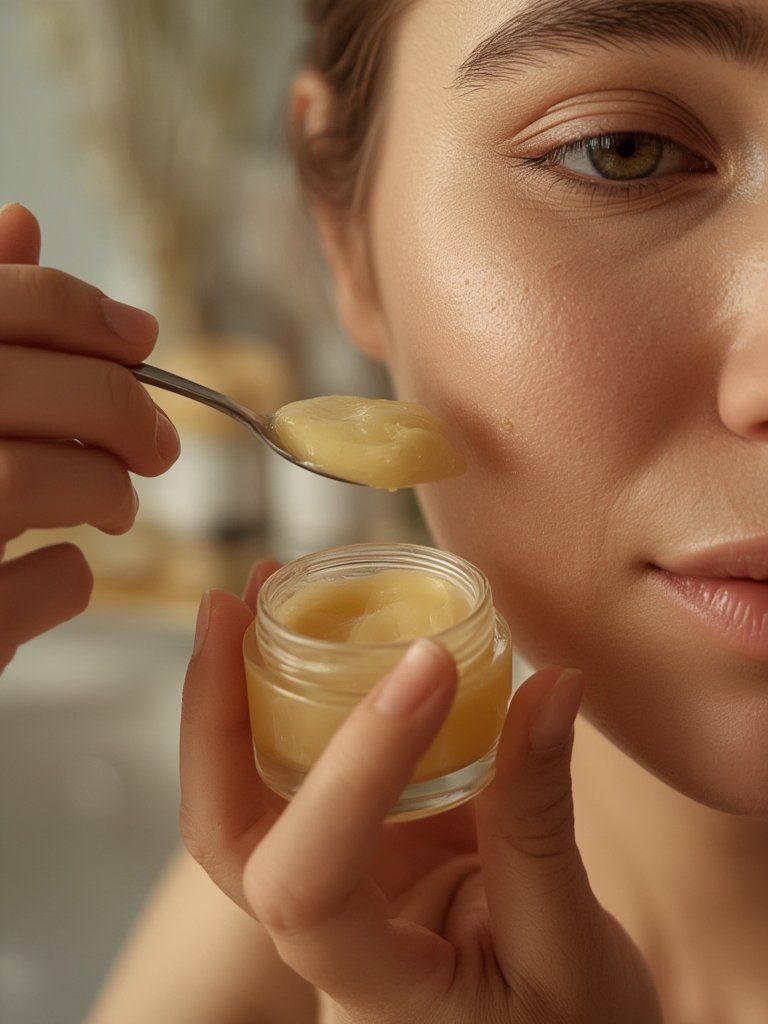
For those making tallow balm at home, always use high-heat rendering and strain multiple times for clarity. Add natural essential oils carefully; patch-test all blends as these can increase the risk of irritation.
Do not assume natural equals safe—especially when dealing with the face. Even premium grass-fed tallow lacks standardized testing or preservation, so shelf life varies greatly. Don’t hesitate to discard if you notice a rancid smell or mold growth.
If you are interested in alternative routines for dry skin or aging concerns, see our guides on tallow balm for eczema or barrier repair with natural oils for more tailored advice.
Advanced Analysis & Common Pitfalls
Real-world experience with beef tallow for skin shows a mix of modest benefits and notable cons. Here is what to watch out for—and how it stacks up against other natural moisturizers.
| Factor | Beef Tallow | Coconut Oil | Shea Butter |
|---|---|---|---|
| Scientific Evidence | Animal, in vitro only | Multiple human RCTs | Limited human trials |
| Moisture Retention | Good (occlusive) | Good (occlusive/emollient) | Good (emollient/occlusive) |
| Humectant Content | None | None | No, but high in phytosterols |
| Barrier Repair (ceramides/cholesterol) | Lacks essential lipids | Lacks ceramides | No direct ceramide content |
| Comedogenic Risk | Moderate to high (especially if acne-prone) | Moderate (variable by skin type) | Low to moderate |
| Contamination Risk | Higher (especially homemade/small batch) | Low (if cold-pressed, pure) | Low (well-processed, preserved) |
| Ethical/Vegan | No | Yes | Yes |
| Typical Price/Availability | Niche, premium, small batch | Mass market, low cost | Mass market, low-moderate |
- Pore Clogging: Many users with oily or acne-prone skin report congestion. If your skin type is sensitive or breaks out easily, tread carefully (source).
- Irritation & Allergies: Tallow is not hypoallergenic. Oleic acid may promote inflammation in some, and poorly rendered fat can contain contaminants.
- Homemade Quality Risks: Without preservatives, tallow can spoil or grow mold. Always check for storage recommendations, and use refrigerated products quickly.
- Ethical Limitations: Not animal-free. Not eligible for vegan or cruelty-free labeling. Buyers looking for these standards may want to try plant-based alternatives instead.
- Regulatory Gaps: No FDA approval means safety and consistency depend on seller transparency (source).
While some small studies note anti-inflammatory and hydrating effects, these come mostly from animal models. Large-scale, direct human comparisons with coconut or jojoba oil are not yet available. For more details, visit the Integrative Dermatology Symposium for an in-depth review.

Conclusion
Beef tallow for skin can be hydrating and protective, especially for those with dry or mature skin types seeking an occlusive moisturizer. However, it is not a miracle ingredient. Real risks include inflammation, comedogenicity, and microbial contamination—especially with homemade or inadequately processed products.
If you are curious, start with a patch test and choose high-quality, grass-fed sources. Stay vigilant and do not ignore signs of irritation or spoilage. For plant-based alternatives or more evidence-backed regimens, explore our advice on jojoba oil for sensitive skin or coconut oil as a moisturizer.
Want to try beef tallow for skin? Research brands thoroughly, keep expectations realistic, and let your skin’s response guide your decision.
FAQ
Is beef tallow safe to use on the face?
Small-scale animal and in vitro studies suggest beef tallow can be used on skin, but there is no human clinical evidence for safety. Patch test before full application, especially if you have sensitive or acne-prone skin.
Can beef tallow cause acne or clogged pores?
Yes, it can be comedogenic and occlusive. Many users with oily or breakout-prone skin report blackheads or pimples when using tallow, especially if applied heavily.
Is grass fed tallow better for skin than conventional tallow?
Grass-fed tallow may contain slightly higher vitamins and CLA, but there are no clinical studies proving it is more effective or safer for skin than conventional tallow.
Does beef tallow have any ethical or regulatory concerns?
Yes. It is not vegan or certified cruelty-free and has no specific FDA approval for cosmetic use. Small batch production methods can also carry contamination or quality risks.
What is the shelf life of beef tallow moisturizer?
Typically 3-6 months if kept cool and dry. Always check for changes in smell or appearance, and avoid using the product after signs of spoilage.
—