

Hypochlorous acid spray is redefining how people treat persistent acne and sensitive skin, offering a science-backed option that competes with traditional standbys while reducing common side effects. Whether you are battling breakouts or seeking gentler skincare tools, understanding how hypochlorous acid spray really works is essential for making an informed choice.
Key Takeaways
- Clinical studies show hypochlorous acid spray can be as effective as benzoyl peroxide for treating acne, with a notably mild side effect profile.
- Hypochlorous acid’s antimicrobial and anti-inflammatory properties offer dual action for calming irritation and promoting faster skin recovery.
- There are no official price comparisons or formulation standards as of 2024, so careful label reading is necessary when choosing products.
- What Is Hypochlorous Acid Spray and Why Does It Matter?
- How to Use Hypochlorous Acid Spray for Acne: Step-by-Step
- Advanced Analysis & Common Pitfalls
- Conclusion
- Frequently Asked Questions
What Is Hypochlorous Acid Spray and Why Does It Matter?
Hypochlorous acid spray is a topical antimicrobial solution designed to kill bacteria and reduce skin inflammation. Its underlying ingredient, hypochlorous acid (HOCl), naturally occurs in the human immune response, making it both biocompatible and potent. Acne forms when bacteria, oil, and dead skin cells clog pores. By applying HOCl directly to the skin, it neutralizes acne-causing bacteria and reduces the inflammatory cascade that leads to redness and swelling.
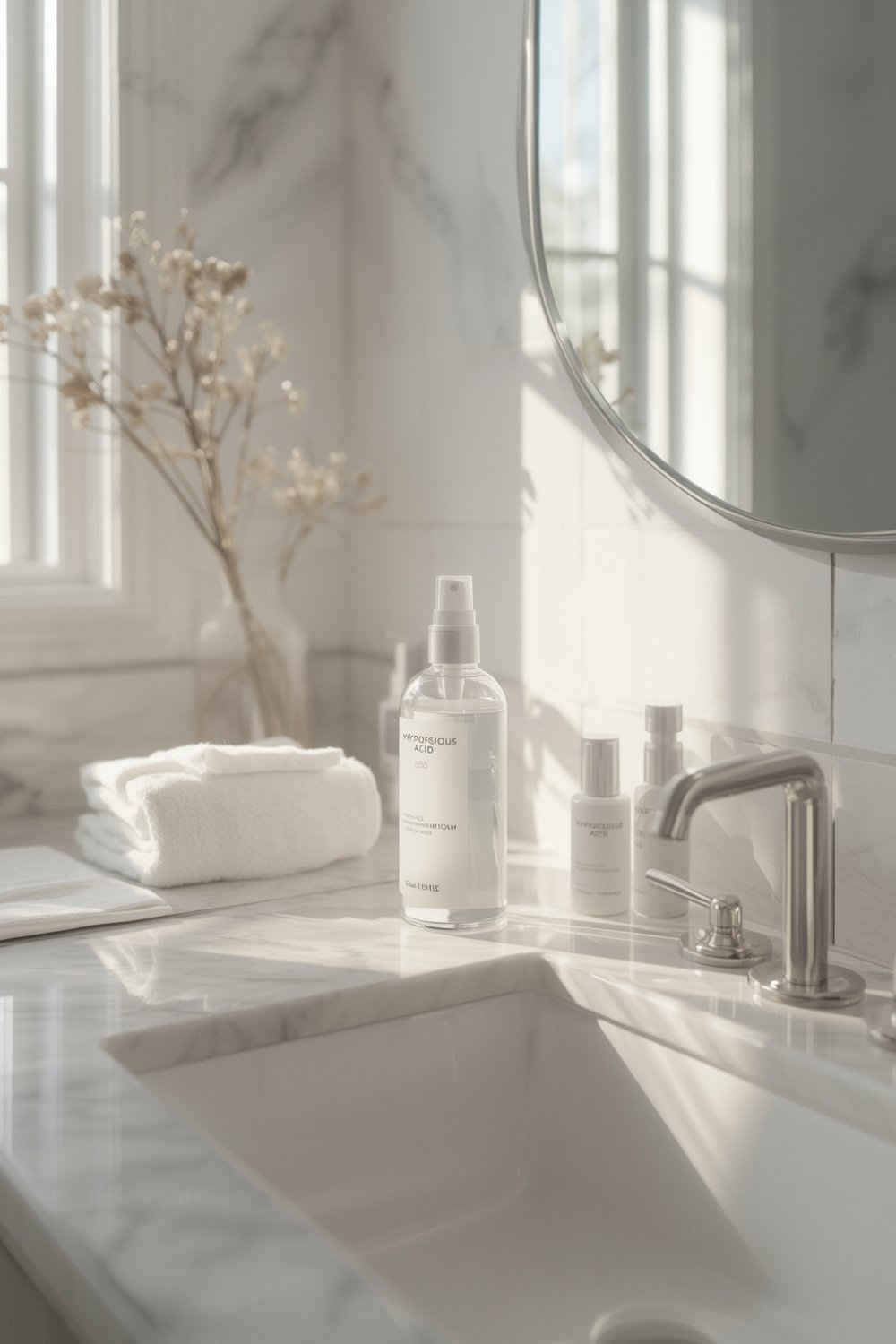
Recent research—including a 12-week, placebo-controlled study—found that HOCl spray achieved acne improvements similar to benzoyl peroxide without notable side effects [study]. While benzoyl peroxide is backed by decades of results, it often causes dryness or irritation. Hypochlorous acid stands out by being gentler, which makes it particularly appealing to those with sensitive or previously irritated skin. For an overview of how hypochlorous acid compares to other acne ingredients, visit our benzoyl peroxide vs salicylic acid comparison.
Beyond acne, HOCl shows promise in soothing symptoms of atopic dermatitis and promoting wound healing, thanks to its dual antimicrobial and anti-inflammatory actions. However, not all hypochlorous sprays are created equal, so understanding product differences and application methods is key. For an ingredient-focused breakdown, see best skin barrier products.
How to Use Hypochlorous Acid Spray for Acne: Step-by-Step
- Start with a Clean Face: Gently cleanse your face using a mild, non-foaming cleanser. Pat dry with a clean towel. Skipping this step may decrease the spray’s efficacy.
- Spray Evenly: Hold the hypochlorous acid spray a few inches from your skin and apply an even mist over affected areas. Avoid scrubbing. Let it air-dry without wiping.
- Apply Twice Daily: Most studies, including the largest clinical trial [source], used HOCl sprays twice a day (morning and night).
- Layer With Other Products: Once dry, you can use other non-comedogenic skincare products such as moisturizers or sunscreens. HOCl is generally non-reactive, so it fits most routines.
- Be Consistent: Results are best when used regularly. Improvement may be visible by week 4, but most benefits emerge with 8–12 weeks of continued use.
- Monitor for Individual Reactions: While irritation is rare, discontinue if you notice new redness, stinging, or persistent discomfort.
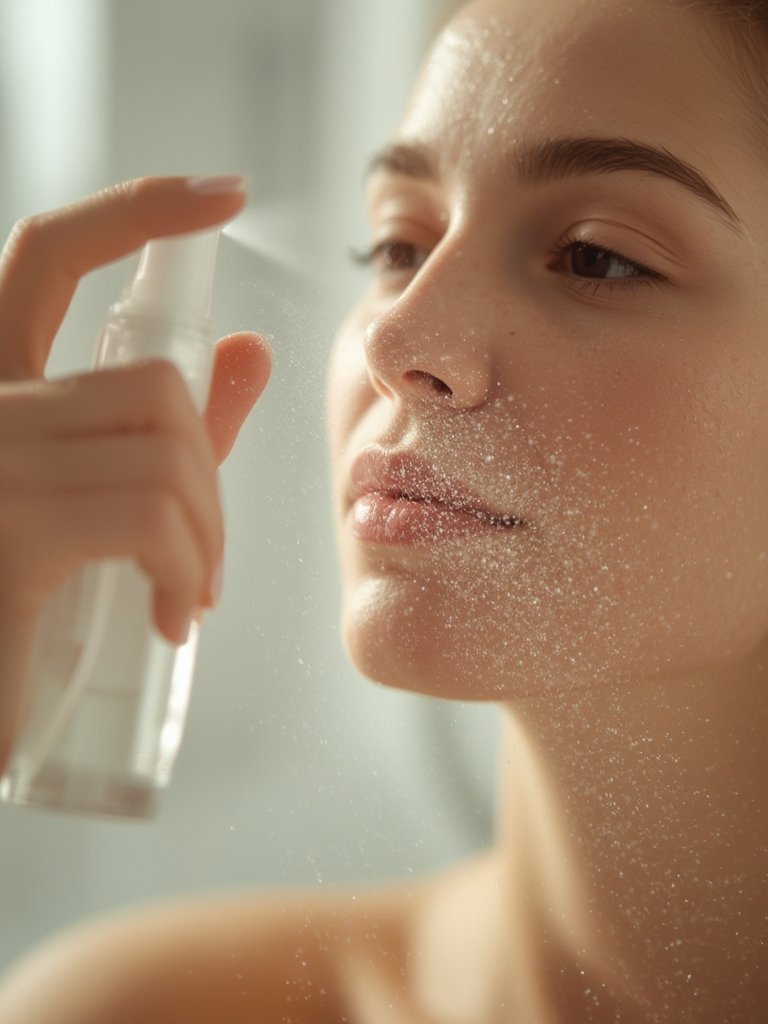
For optimal results, store your spray away from sunlight and replace it if the bottle remains open longer than instructed by the manufacturer. Curious about multi-use sprays? Explore our face mist guide for more ways to refresh your skin barrier effectively.
Advanced Analysis & Common Pitfalls
Clinical studies outline promising benefits for hypochlorous acid spray, but it’s not a magic bullet. Below is an in-depth look at pitfalls, unique challenges, and a direct comparison with traditional acne treatments.
Common Pitfalls in Using Hypochlorous Acid Spray
- Misreading Ingredients: Not all sprays are stabilized with neutral pH, which is crucial for efficacy and comfort. Non-neutral formulas can irritate sensitive skin.
- Unrealistic Expectations: Results can take 8–12 weeks; improvement is gradual, not dramatic overnight. If you expect a rapid transformation within days, disappointment is likely.
- Product Storage: Hypochlorous acid degrades with prolonged exposure to air or sunlight. Using expired or improperly stored bottles reduces effectiveness.
- Lack of Price Transparency: There is little published data on average price ranges, and over-the-counter sprays can vary widely in formulation and strength.
- Limited Availability of Clinical Data: While there are a few robust studies, overall research is less comprehensive than for benzoyl peroxide or retinoids. Always pay attention to new emerging evidence.
Comparison: Hypochlorous Acid Spray vs. Other Acne Treatments
| Treatment | Mode of Action | Efficacy (Clinical Study) | Side Effects | Time to See Results |
|---|---|---|---|---|
| Hypochlorous Acid Spray | Antimicrobial & anti-inflammatory | Excellent/Good: 23%/54% (vs. BP 21%/50%) |
No reported local AEs in major studies |
4–12 weeks |
| Benzoyl Peroxide | Antimicrobial & comedolytic | Excellent/Good: 21%/50% | Irritation, dryness, peeling common | 2–12 weeks |
| Salicylic Acid (BHA) | Exfoliating, unclogs pores | No direct comparative data | Risk of redness, over-exfoliation | 2–12 weeks |
| Prescription Retinoids | Normalizes cell turnover | Often highest long-term efficacy | Dryness, irritation, purging phase | 4–12 weeks, may worsen at start |
Learn more about choosing between these options in our best acne treatments roundup.
Scientific Insights on Mechanism and Healing
At a molecular level, hypochlorous acid acts quickly to destroy acne bacteria such as S. aureus and P. acnes, reducing inflammation and even speeding wound healing [source]. Studies clock a 99.9% bacterial reduction within just 5 minutes of topical application. Its anti-inflammatory effect is clinically proven to lower itch and reduce redness in conditions like atopic dermatitis [source]. For a scientific perspective on anti-inflammatory skincare, see our guide to anti-inflammatory skincare strategies.
One serious gap as of 2024 is the absence of standardized pricing or clarity around key formulation differences among brands. Examine the label for pH neutrality, preservatives, and expiration to guarantee product performance. Consult our hypochlorous acid myths page to see misconceptions corrected with scientific study.
Conclusion
Hypochlorous acid spray is a clinically-backed, user-friendly option for those seeking acne relief without harsh side effects. Its unique combination of antibacterial and skin-calming benefits makes it an attractive alternative to classic treatments. However, because of limited price data and standardization, always read product details and monitor your own response. Looking for safe, gentle solutions? Consider adding hypochlorous acid spray to your routine and track your progress over several weeks for the clearest results. Explore our related resources on acne scar prevention for a comprehensive skin healing approach.
Frequently Asked Questions
Is hypochlorous acid spray safe for daily use on sensitive skin?
Clinical research to date suggests that stabilized, pH-neutral hypochlorous acid sprays can be safely used twice daily, even on sensitive or previously irritated skin. Studies report no significant local side effects. That said, always patch test new products and follow the brand’s usage instructions.
How long does it take to see results with hypochlorous acid spray?
Most clinical improvements were observed after 4 to 12 weeks of regular use. For best results, apply consistently and be patient. Abruptly discontinuing may delay or minimize progress.
Can hypochlorous acid spray replace benzoyl peroxide or other prescription treatments?
For mild to moderate acne, hypochlorous acid spray has shown comparable benefits to benzoyl peroxide in research. However, more severe cases or cystic acne may still require prescription products. Always discuss changes with your dermatologist.
Are there any known contraindications or precautions?
No official safety guidelines exist, but clinical trials show no serious adverse events, even when used on inflamed skin. Look for pH-neutral options and avoid using expired or clearly contaminated products.
Can I use hypochlorous acid spray with other actives like retinoids or vitamin C?
Generally, hypochlorous acid is non-reactive and suitable for layering with most other actives. Nevertheless, introduce new products gradually and observe your skin’s response for any unusual reactions.