

Red light therapy mask technology is becoming popular for at-home skincare, targeting issues like acne, wrinkles, and inflammation. If you want realistic expectations and a safe, effective routine, this guide covers everything—backed by unbiased evidence, common pitfalls, and step-by-step best practices.
Key Takeaways
- Home red light therapy masks are generally safe when used as directed, but robust clinical data for efficacy on acne, wrinkles, or inflammation from 2022–2024 is lacking.
- Some people—especially those with photosensitive conditions or on certain medications—should avoid use without medical advice.
- Optimizing session time, using hydrating skincare, and choosing masks with quality safety features help minimize mild side effects like redness or dryness.
- What is a Red Light Therapy Mask and Why Use One?
- Step-by-Step Guide to Using a Red Light Therapy Mask at Home
- Advanced Analysis and Common Pitfalls
- Conclusion
- Frequently Asked Questions
What is a Red Light Therapy Mask and Why Use One?
A red light therapy mask is a wearable device equipped with LED bulbs that deliver low-level wavelengths of red light directly to the skin. This technology is designed for convenience, making it accessible at home without special training. The red light penetrates the skin’s surface and is believed to promote collagen production and reduce inflammation, which could help with acne, minimize fine lines, and improve overall skin tone.
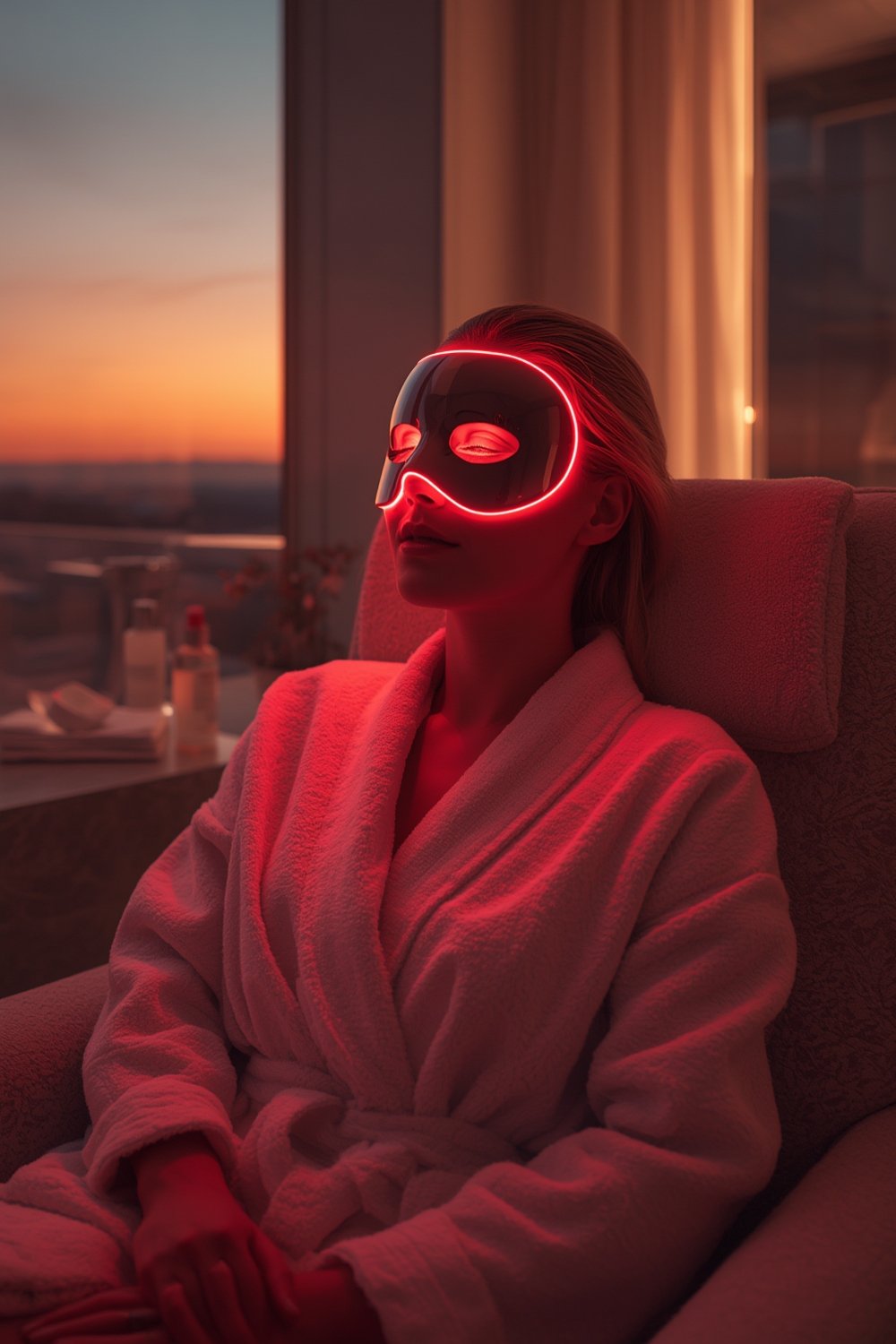
Despite their popularity, the latest reviews show there is no definitive clinical evidence from 2022 to 2024 that home-use masks can treat acne, wrinkles, or inflammation effectively (Cleveland Clinic). That said, red light therapy appears safe for short-term use, and many users appreciate the simplicity of using these masks on their own schedule.
Many at-home masks claim FDA clearance. Features like auto-timers and medical-grade materials help minimize safety risks, especially when compared to early or low-cost models. If you are interested in proven, low-cost alternatives or ways to design your skincare routine, consider reviewing our guides to barrier repair serums, niacinamide face creams, and beginner vitamin C serums.
Step-by-Step Guide to Using a Red Light Therapy Mask at Home
Using a red light therapy mask is straightforward, but small mistakes can lead to skin irritation, compromised eye safety, or wasted effort. Follow these steps to ensure you get the most from your device:
- Consult your doctor if: You are pregnant, breastfeeding, have eye disorders, photosensitivity, or are taking medications like tetracyclines or isotretinoin. For more details, see our article on LED therapy contraindications.
- Prepare your skin: Start with a gentle cleanser to remove dirt and oil. Avoid exfoliants or products that could cause sensitivity just before your session.
- Apply hydration: Use a fragrance-free, hydrating serum (like one containing niacinamide or peptides) if your device and skin tolerate it (should you hydrate before using an LED mask?).
- Protect your eyes: Wear provided protect your eyes goggles or keep your eyes closed throughout the session.
- Position the mask: Secure the mask so it contours to your face, minimizing light leakage (look for models with flexible medical-grade silicone).
- Start the session: Turn on the device, following the manufacturer’s time recommendations (usually 3–20 minutes, but auto-timers like those found in the Solawave mask cut off after 3 minutes to prevent overuse).
- Moisturize after: By adding a gentle moisturizer post-session, you help minimize any mild dryness.
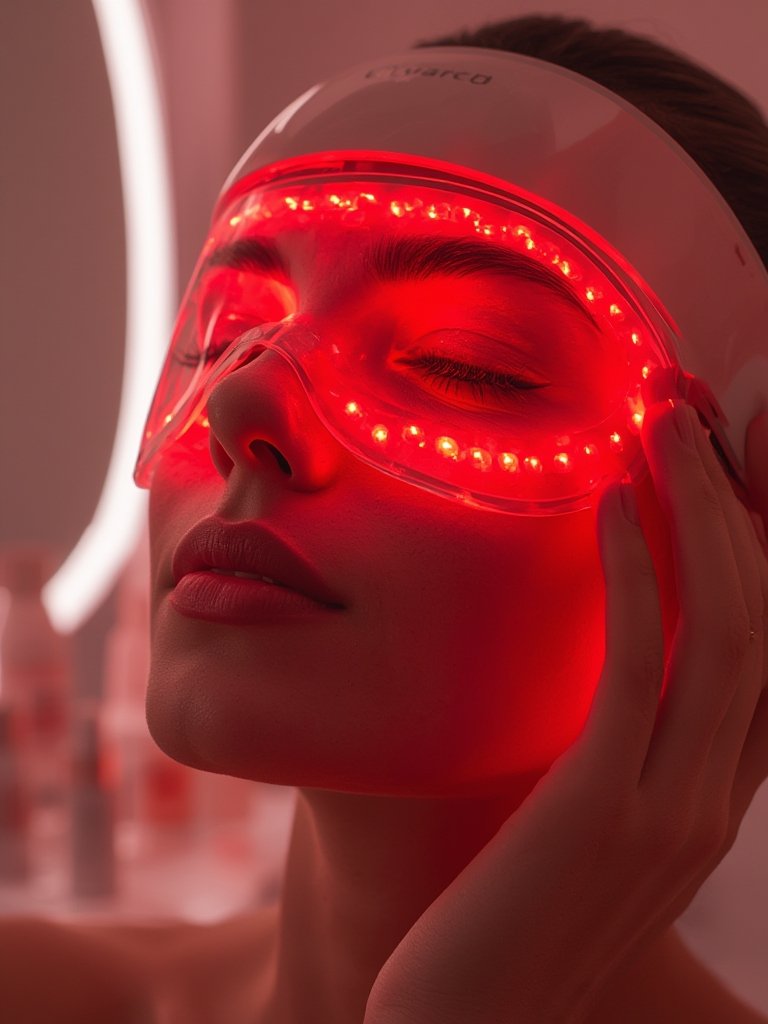
Track your results with before-and-after photos rather than relying only on memory. Keep a simple skincare journal to notice trends or any changes after weeks of consistent use. If you experience persistent irritation, consult a dermatologist and review our resources on redness after LED face masks and breakouts from LED light therapy.
Advanced Analysis and Common Pitfalls
Even if you follow instructions closely, some issues are surprisingly common with at-home red light therapy masks. Below is an analysis based on current research and consumer experiences.
Frequent Side Effects
- Temporary Redness: Most users may notice mild redness or irritation, especially if they overuse the mask. This usually resolves quickly.
- Eye Sensitivity: Prolonged direct viewing can cause light-related strain or eye fatigue. Using goggles or keeping eyes closed is essential (source).
- Dryness: Skin may feel dry after sessions. Pairing treatments with hydrating products helps.
- Initial Breakouts: Some people experience minor breakouts while the skin adjusts, typically resolving within weeks (source).
- Photosensitivity Risks: Users with conditions like lupus, porphyria, polymorphic light eruption, or active infections should not use these devices (source).
Device Comparison Snapshot
| Feature | Solawave Mask | Typical Inexpensive Mask |
|---|---|---|
| Wavelength(s) | ~630–660 nm (red light), FDA cleared | ~620–630 nm (red), often not FDA cleared |
| LED Count | High (specifics usually undisclosed) | Low or unspecified |
| Session Timer | Auto timer, 3 min/session | Manual, user must turn off |
| Material | Medical-grade, flexible silicone | Rigid plastic or silicone, varying quality |
| Eye Protection | Contoured for minimal light leakage | May lack face-contouring design |
Common Pitfalls
- Incorrect Session Length: Exceeding recommended times does not improve results—overuse increases side effect risk.
- Skipping Hydration: Neglecting post-session moisturization may lead to dryness and barrier disruption.
- Using on Compromised Skin: Applying the mask over open wounds, infections, active rashes, or while on photosensitizing medication can worsen symptoms. See more at our Safety Checklist for Light Therapy.
For a more comprehensive breakdown, read our guide on LED mask colors for every skin type or consult the Project E Beauty discussion on LED mask dangers.
Conclusion
Red light therapy masks offer a promising, low-effort way to try at-home light therapy for acne, wrinkles, and inflammation. While they appear safe in the short term when used with caution, there’s limited clinical proof for major skin improvements using an at-home red light therapy mask as of 2024. Focus on gradual routine building, protecting your skin barrier, and always staying within safety guidelines. Ready to try this technology or optimize your skincare? Consult our curated reviews or speak with your dermatologist to find the best match for your needs.
Take the next step: explore our Top LED Devices for Home Use or compare hydrating serum options for post-treatment recovery.
Frequently Asked Questions
Can a red light therapy mask really treat acne at home?
No high-quality clinical trials from 2022–2024 prove that at-home devices reliably improve acne, though mild benefits are possible. Always combine light therapy with dermatologist-recommended acne care for best results.
Is red light therapy safe for sensitive skin?
Generally, yes, if you avoid overusing the device and start with low session times. Very sensitive or reactive skin may become red or irritated—stop use and consult a specialist if symptoms persist.
Who should not use a red light therapy mask?
Do not use if you have photosensitivity disorders, take photosensitizing drugs, have active skin infections, or open wounds. Consult a professional if pregnant, breastfeeding, or managing an eye disorder.
What are the most common side effects?
Mild, temporary redness, slight dryness, and sometimes mild breakouts as your skin adjusts. Severe issues like burns are extremely rare and usually related to misuse or overuse.
How can I maximize the benefits of my red light therapy mask?
Stick to recommended session times, moisturize immediately after use, and avoid using harsh actives right before therapy. Consistency is key—track your skin’s changes and adjust based on how it responds.