

Spicule skincare is gaining attention as a needle-free alternative for smoothing skin texture, minimizing pores, and encouraging collagen production – but is it worth the hype? This guide gives you a no-fluff look at what spicule skincare really is, the scientific facts, the step-by-step process, and the realistic pros and cons, so you can decide if it makes sense for your skin.
Key Takeaways
- Spicule skincare uses marine sponge-derived micro-needles to deliver active ingredients deeper and faster than typical topical products, often with rapid texture and pore improvements.
- Clinical studies show clear gains for aging, textured, and sensitive skin – with immediate results after one use and essentially no reported irritation.
- Main risks are from overuse or poor formula combinations, but spicule skincare generally avoids the pain, downtime, and complications of traditional microneedling.
- What Is Spicule Skincare? How It Works & What Sets It Apart
- How to Use Spicule Skincare: A Realistic, Step-by-Step Approach
- Advanced Analysis & Common Pitfalls with Spicule Skincare
- Conclusion
- FAQ
What Is Spicule Skincare? How It Works & What Sets It Apart
Spicule skincare is a new wave of advanced treatment that uses tiny, naturally derived micro-needles from marine sponges. Unlike mechanical microneedling, these dissolving “liquid needles” create microchannels in the skin, encouraging deeper penetration of active ingredients like peptides, exosomes, and growth factors. The result? Smoother texture, tighter pores, and a visible boost in skin elasticity without at-home devices or salon visits.
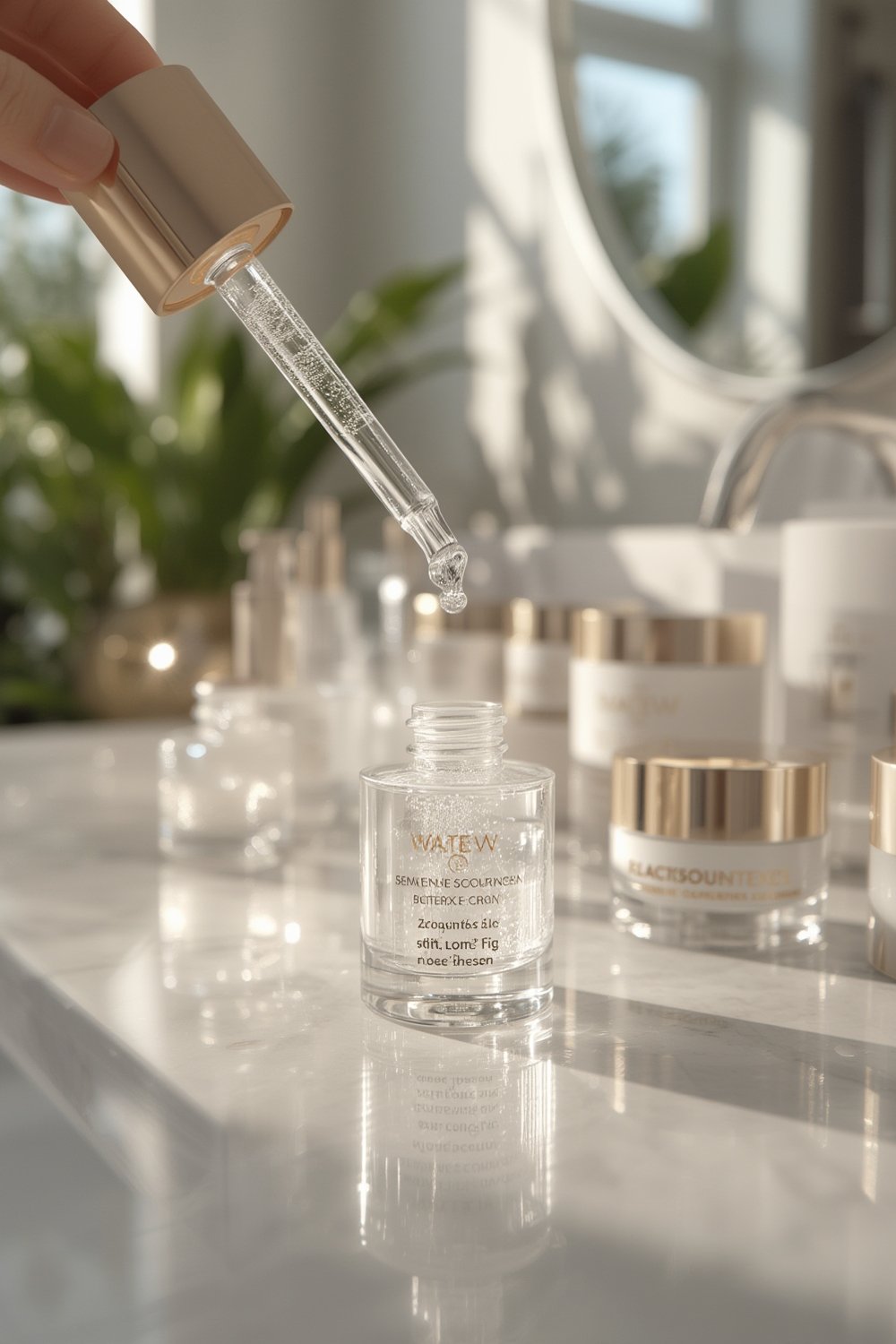
The science is promising. In clinical studies, formulas like Natori GemSpicule and nano-spicule serums increased skin elasticity by 19 percent and shrank visible pores dramatically in just one use. Unlike harsh acids or abrasive exfoliants, spicule blends show near-zero irritation even for sensitive skin types [source].
Spicules don’t just “poke” the skin. They trigger a wound-repair effect that wakes up fibroblasts (your collagen factories), further enhanced by nano-coating of growth factors or peptides. Versus retinol or glycolic acid, certain spicule serums outperform them for wrinkle depth, pigmentation, and blackhead reduction — all with little to no downtime or stinging.
Brands also exploit the biocompatibility of spicules, which deliver actives 6x deeper than inert carriers and dissolve away without microtears or scarring. This technology, originally used for medical skin regeneration, is now formulated for everyday skincare in both home-use serums and professional spa formats.
You can explore related skin improvement methods in our guides on dermaplaning vs chemical peel and microneedling aftercare tips.
How to Use Spicule Skincare: A Realistic, Step-by-Step Approach
Spicule serums look and feel much like other light gels or ampoules, but proper use is key. Here’s a practical workflow for most at-home spicule microneedle treatments—realistic for both beginners and advanced users.
- Cleanse thoroughly. Remove makeup, sunscreen, and excess oil with a gentle cleanser. Pat dry to leave skin slightly damp.
- Apply spicule serum. Squeeze a pea-size amount onto fingertips. Dab across target areas—most users focus on cheeks, forehead, chin, or anywhere pores or texture are visible.
- Massage gently (30-60 seconds). Use light, circular motions so spicules distribute evenly and begin to “prickle” into the upper skin layer. You’ll feel a subtle pins-and-needles sensation—this is normal, but minimize harsh rubbing.
- Wait 5-10 minutes. Let the product settle and micro-channels form. Avoid touching your face during this period. If tingling becomes too intense, lightly mist with plain mineral water.
- Follow with calming hydrating serum or moisturizer. Skip harsh actives (like retinol or AHA/BHA) for 12-24 hours to avoid barrier compromise. Your skin may feel extra smooth or slightly “tight” for a day.
- Limit frequency. For most, 1–3 times weekly is safe; daily use can risk over-exfoliation and dryness, especially if your formula contains acids or alcohol.
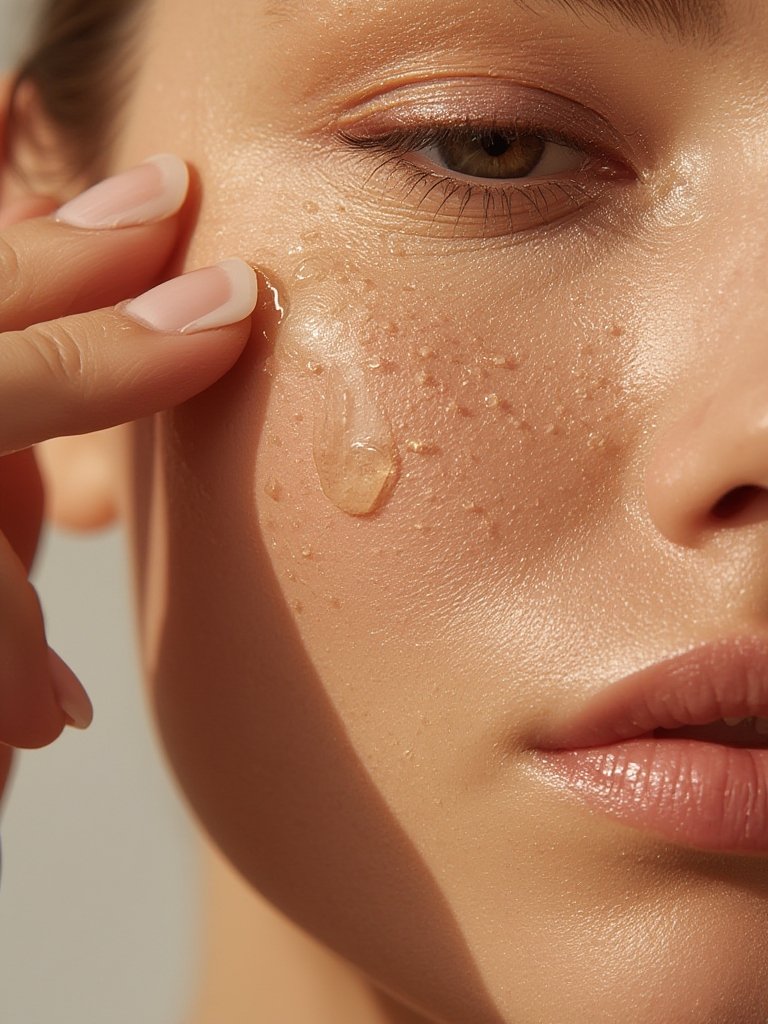
- Pro results: Many see immediate visible refinements in pore size and smoothness. Wrinkle and elasticity improvements build up with regular use over 2–8 weeks. For best results, pair spicule sessions with targeted at-home LED therapy (see our red light therapy face benefits guide).
- Patch test: Always patch test new spicule serums on your jawline or behind your ear for at least 8 hours before full-face use — especially if you have reactive or compromised skin.
- Professional options: In-spa treatments may use higher doses and more advanced actives, but at-home versions are designed to minimize downtime and risk.
Note: No standardized cost per use exists as of 2024 — spicule serums retail from mid to high price points, but check local store listings or our in-depth guide on best microneedle serums for category comparisons.
Advanced Analysis & Common Pitfalls with Spicule Skincare
Even though spicule treatments are generally safe and effective, there are practical pitfalls and misunderstandings to avoid. Here’s what the data and real-world users report:
Common Pitfalls and Side Effects
- Overuse is the biggest risk. Daily or excessive use can disrupt your skin’s natural oils, resulting in dryness, sensitivity, and barrier damage. Stick to protocol—1–3 times per week is usually sufficient.
- Wrong product combination. Combining spicules with strong acids or retinoids in a short window can lead to redness or a burning sensation. Allow “rest days” with only hydrating, barrier-supporting products.
- Expectations mismatch. Some users expect immediate plumping of lines (like injectables) or peel-level exfoliation. Spicule results are smoother pores and texture, with collagen boost more visible at 2–8 weeks, not overnight wrinkle removal.
- Formula quality matters. Not all spicule serums use high-grade marine spicules or nano-encapsulation. Lower-quality products could be scratchy or less effective. Stick with clinically-backed options—preferably ones with detailed ingredient sourcing and safety data (see source).
- No real negative reviews in trials, but online anecdotal reports cite rare cases of dryness, flaking, or short-term redness. If this occurs, pause treatment and reconsider your skin barrier health.
Comparison: Spicule Serums vs Traditional Methods
| Feature | Spicule Skincare | Mechanical Microneedling | Needle-Free Actives (Retinol/Acids) |
|---|---|---|---|
| Delivery Depth | Up to 6x deeper via microchannels | Variable (manual device, more invasive) | Surface-level penetration |
| Downtime | None to minimal (mild tingling) | 1–3 days (redness, swelling) | None, but risk of irritation, dryness |
| Who Should Avoid | Extreme overuse, compromised barriers | Strongly not for active acne, eczema, or infection risk | Very sensitive/reactive skin types |
| Collagen Support | Yes (in vitro and in vivo indirect evidence) | Yes, but with higher risk of complications | Mild, depends on formula |
| Immediate Effect | Yes (pore/texture smoothing after first use) | Minimal (redness, roughness first few days) | No |
To compare with other treatment options for texture and pores, see our review of microneedling vs laser resurfacing, or discover when chemical peels vs microneedling make better sense.
Externally, ELLE UK offers an overview on the trend, while deeper clinical documentation is at PMC clinical research.

Conclusion
Spicule skincare stands out for its rapid texture and pore improvement, gentle yet powerful collagen support, and real-world sensitivity safety. If you want next-level results without the pain, downtime, or device anxiety of classic microneedling, this approach is worth a trial — just avoid overuse and stick to clinically-backed brands. Used wisely, spicule skincare could deliver your smoothest, most resilient skin yet.
Ready to take the next step? Shop our shortlist of best spicule serums or read how spicules fit into the modern collagen boosting skincare routine.
FAQ
Are spicule serums safe for sensitive skin?
Yes, clinical studies consistently report zero irritation, redness, swelling, or stinging in even sensitive users. Results from Natori GemSpicule and nano-spicule research confirm good tolerance — just patch test new products as you would with any active treatment. Source
How quickly will I see results from spicule skincare?
Most users see visible texture and pore improvements after the first use, with lasting changes in elasticity and fine lines developing in 2–8 weeks of regular application. Clinical studies show up to 87.5% pore density reduction and 19% increased elasticity after one to two weeks.
Who should avoid spicule skincare?
Anyone with a severely compromised skin barrier (active eczema, open wounds), or who cannot tolerate even gentle exfoliation, should avoid spicule serums. Also, never overuse—daily application increases irritation risks.
Can I combine spicule skincare with retinol or acids?
Not immediately. Space out strong actives by 24–48 hours on either side of your spicule session to avoid compounded irritation or barrier disruption.
Is spicule skincare more effective than traditional microneedling?
For immediate pore and texture smoothing with no downtime, spicule serums often outperform standard microneedling, but more long-term studies are needed. Spicule skincare is better for sensitive skin and consistent home use. For deep scars or intensive collagen induction, professional devices may yield greater results but come with higher risk.